
The Invisible Tax: Why the 'Cost of Time' in Green Sourcing is Eating Your Margins
)
 |
We spoke to Sylwia Padiasek, Coffee Fest speaker and Co-Founder /CEO of Ocafi US, to pull back the curtain on the financial "hidden" costs that are often baked into a landed coffee price. By pulling from her experience managing a vertically integrated chain, she provides a rare look at the actual line items - from interest rates to warehouse cycles - that dictate what you pay for coffee before it ever hits the roaster. Whether you’re roasting five bags a week or managing a multi-unit cafe, these insights into inventory velocity and "backbone" sourcing are essential for protecting your bottom line. |
The Financing Clock: Why "Time" Can Cost $0.40/lb
Most buyers' first questions are on the quality or origin of the bean, but time is a tangible ingredient in the price you see on an importer's offering sheet.
"The moment coffee leaves origin, time becomes one of the most expensive parts of the supply chain," Sylwia explains. "Importers carry the cost of capital at interest rates often between 8–15%. For most importers, a single-origin lot can sit in a warehouse for 6-12 months before it’s fully sold and paid; that financing burden can add roughly $0.30–$0.40/lb purely in interest and storage charges. These costs can either be baked into the landed price or itemized separately, depending on the importer’s pricing structure and the level of transparency offered to the buyer.”
While we often assume a high-end microlot is expensive simply because it's “better", Sylwia points out that we are often paying for the financial weight of exclusivity.
“Regional blends are often cheaper not just because of quality, but because they turn over quickly. A blend might rotate 4–8 times a year (or more at scale), while a single-origin lot from a single farm can tie up capital for a full year. For many smaller buyers, buying spot feels safer because you’re covered immediately, but that convenience has a price.”
The "Backbone" Strategy for Price Stability
A common mistake is building a menu entirely on "sexy" high-end lots that don't allow for healthy wholesale margins. Sylwia notes that the most resilient roasters are those who recognize the difference between a "headline" coffee and a "business" coffee.
"The reality is simple: if you have to sell roasted coffee at $7–10/lb wholesale, you cannot build your menu exclusively around microlots," says Sylwia. "The market talks a lot about microlots, but the same buyers who chase them also rely on Brazilian coffees and blends to make their businesses work. Especially after the last few years of extremely high prices, I’m getting more questions like, ‘Do you have anything more commercial?’ or ‘lower-grade specialty options?’"
For Sylwia, the answer isn't to drop quality, but to find it in scalable, dependable origins that can handle the volume.
"Over the last few years, one thing became undeniable even to the smallest specialty shops: Brazil’s role as the backbone of stability. When prices spiked and tariffs hit, roasters realized how essential consistency and volume really are. We’re able to support microlots and still deliver reliable, scalable coffees that keep a roasting operation financially healthy. Diversification is great—but paired with dependable, scalable coffees, it’s what keeps businesses alive during chaotic years.”
The Strategic Shift: Blended Pricing
Sylwia suggests that the most resilient roasters have stopped trying to "time" the market and have instead moved toward a "multi-year curve" mindset.
"The bigger lesson in all of this is thinking in blended prices, not single moments. A roastery can’t build a sustainable cost structure if it only looks at the next contract. The teams who managed this period best treated pricing as a multi-year curve - blending a higher-priced lot today with more favorable pricing later, instead of trying to time the market perfectly. That approach has worked much better in high-volatility environments.”
Sylwia’s Roadmap: Practical Next Steps for Any Size Business
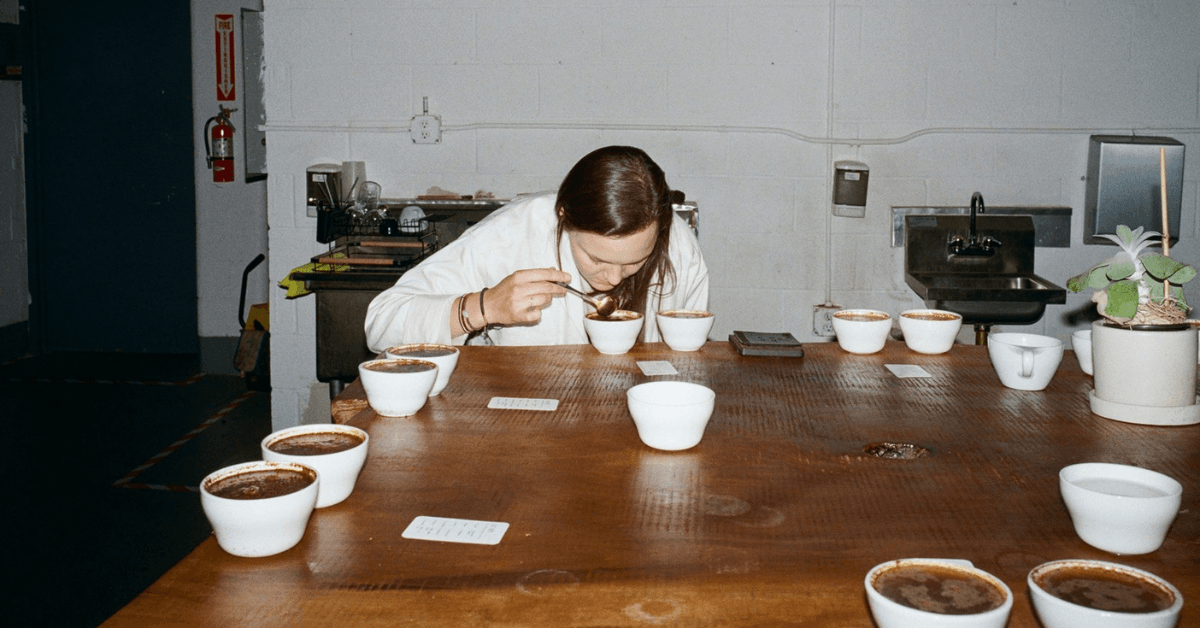
You don’t need to be a logistics expert to improve your sourcing; Sylwia suggests that better data and earlier communication are the most powerful tools available to a small business.
-
Commit to Consistency Early: Sylwia emphasizes that "you don’t need to buy a container to buy responsibly." Even for small roasters, reaching out ahead of time to forecast your likely needs helps producers and importers plan processing and logistics. This early alignment often leads to better quality availability and more timely deliveries.
-
Track Your Own Palate and Profits: Sylwia recommends keeping a simple spreadsheet to log scores, consistency expectations, and landed costs. "Understanding your own palate and cost targets is the backbone of sustainable sourcing. When the market moves, this data becomes your guide so you aren't guessing."
-
Prioritize Relationship Stability: “You can’t de-risk a volatile market by jumping from importer to importer every season," Sylwia notes. Build deep relationships with trusted partners who are open about their costs and logistics, and then "reward that transparency with consistency. Stability benefits everyone in the chain, regardless of company size."
Insider Bio
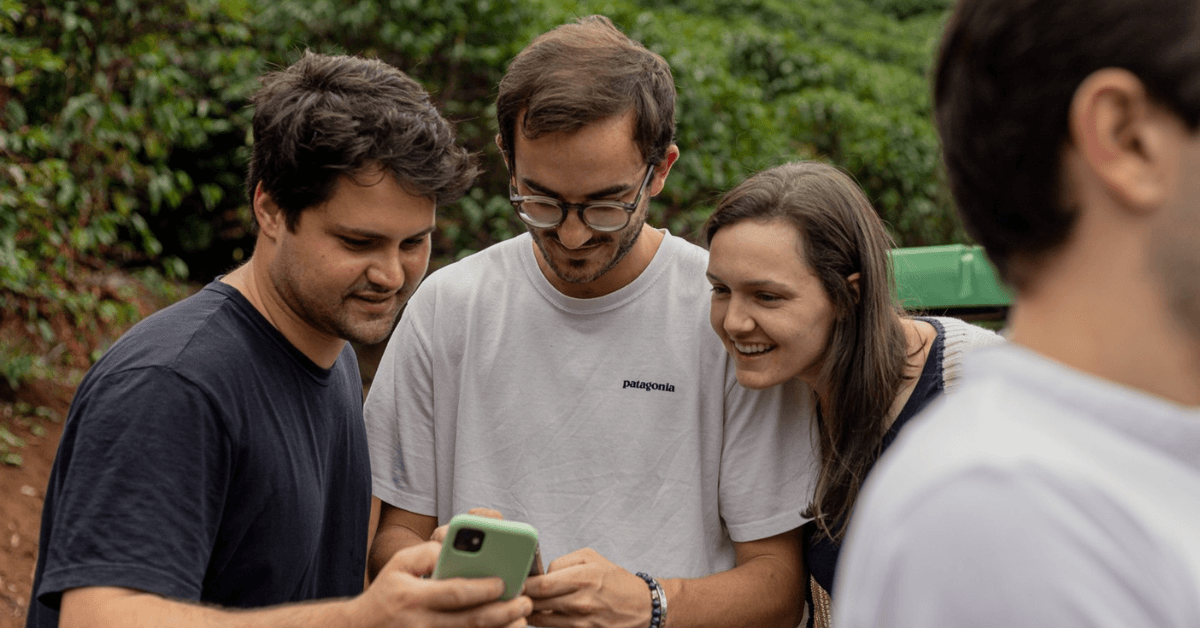
Sylwia Padiasek | Co-Founder and CEO, Ocafi US Raised in Poland with a background in food systems and sustainability, Sylwia manages Ocafi’s U.S. operations. Her approach is shaped by a deep understanding of short, honest supply chains. "I’ve always been drawn to systems where you can see the whole chain end-to-end," she says. "Transparency isn’t something we try to implement - it’s a structural reality of how we work."
SEE SYLWIA'S COFFEE FEST SPEAKER PROFILE & UPCOMING SESSIONS
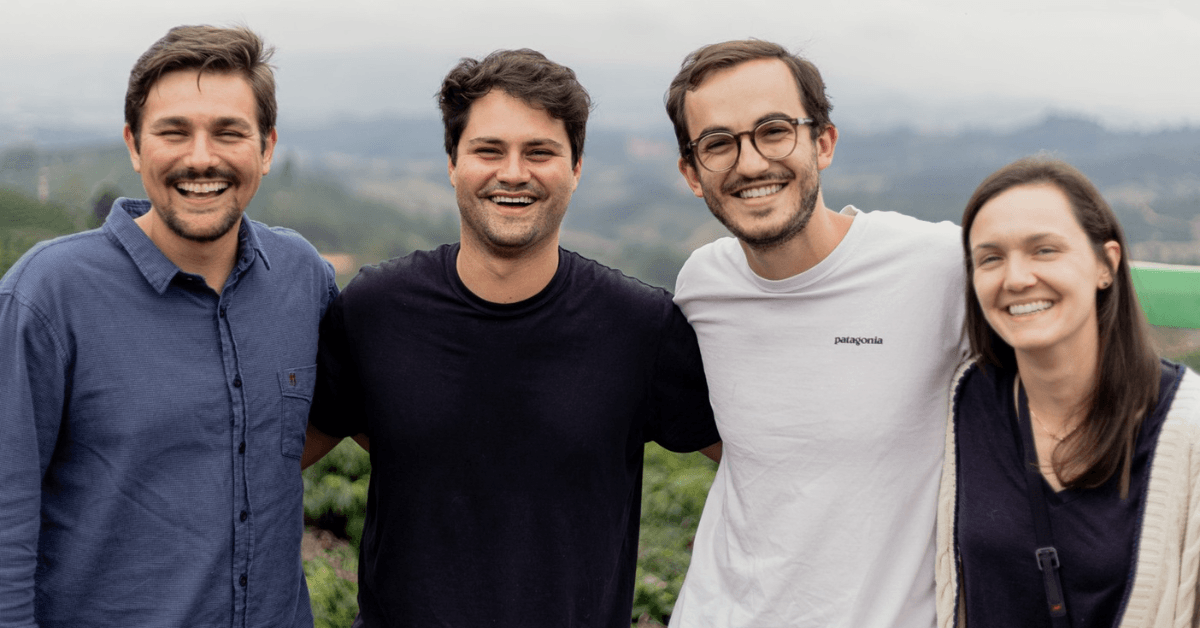
The Ocafi Story: A Global Integrated Chain Ocafi was founded to bridge the gap between the Guardabaxo family’s multigenerational farming legacy in Brazil and the global roasting community. Led by CEO Niklas (Europe) and Co-Founder Luis (Brazil), the company operates a fully aligned supply chain across three continents. Because they own the farm, the export house, and the import entities, they eliminate the "black boxes" of traditional sourcing - ensuring that the sample on the cupping table is exactly what arrives at the roastery doorstep.
The numbers are changing daily. Don't wait for the next price strike to audit your sourcing strategy. Join the conversation at an upcoming Coffee Fest to talk shop with the importers and roasters who are making the math work.