- Tim Heinze, TH Sourcing Solutions
The journey coffee takes from seed to cup is one that crosses cultures, people, and places. While roasters and baristas play a critical role in shaping the final expression of flavor, the foundation begins with the producer. We understand that coffee’s quality is deeply influenced by environment, soil, elevation, and a range of other factors often captured in the term terroir. But in recent decades, the human element within that concept has come into sharper focus.
Innovations in genetic research, cultivation practices, and post-harvest processing have expanded the boundaries of what coffee can taste like. It is this intersection of intention, technique, and creativity - particularly through post-harvest processing decisions - that forms the foundation of many of the workshops we host in the Cupping Corner.
The Shift: From Traditional to Portfolio Diversification
The flavors we traditionally associate with specific coffee-producing countries are largely the result of long-standing practices shaped by history and culture. While these profiles deserve celebration, the current evolution is seeing producers and processors move beyond these traditional frameworks.
This shift is not simply about innovation for its own sake. It is a strategic effort to:
- Create Market Access: Finding new pathways to specialty buyers.
- Respond to Demand: Meeting the evolving preferences of a global consumer base.
- Build Resilience: Using diversification to protect against climate and economic volatility.
From advanced fermentation methods to the use of inoculants and co-fermentation, producers are experimenting to elevate the value of their coffee. In some cases, these adaptations are driven by changing climates and environmental constraints; in others, they are a direct response to evolving consumer preferences and emerging markets that seek new and distinctive flavor experiences.
Deciphering the "Alchemy" of Modern Processing
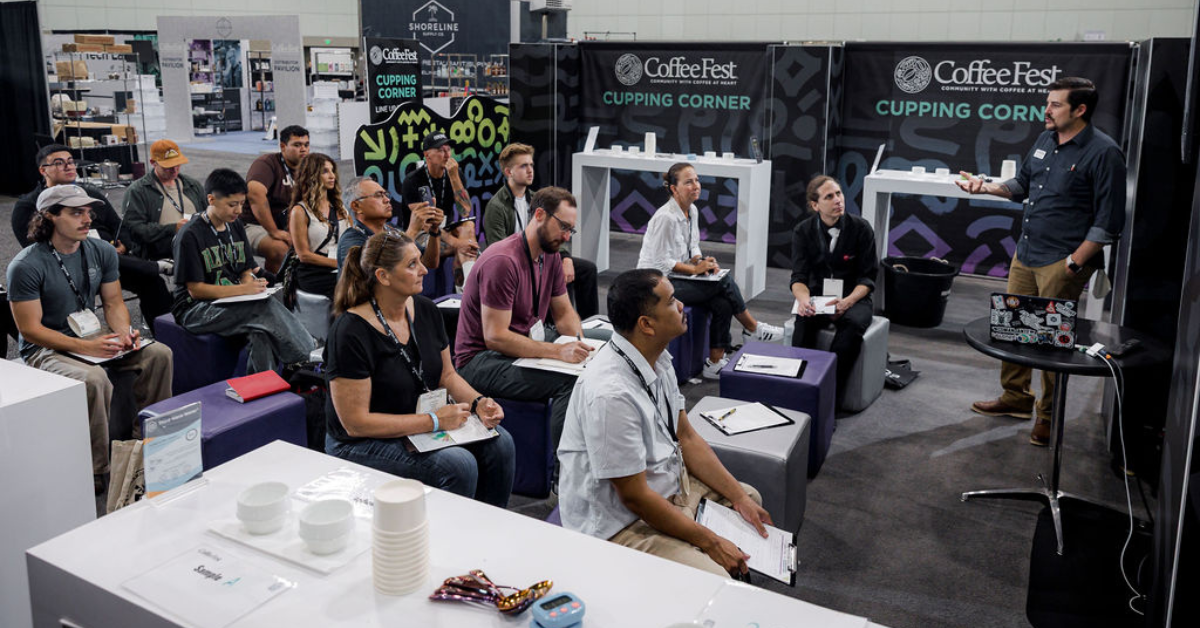
The workshops within the Cupping Corner are designed to help coffee professionals navigate this rapidly evolving landscape. We start by addressing the growing number of terms used to describe these processes - terms that can often feel overwhelming or inconsistently applied. Increasingly, these names function less as precise technical descriptors and more as tools of communication and marketing, much like how roasters use blend names.
Our goal is to move beyond terminology and focus instead on understanding the underlying processes; improving how we engage with producers and strengthening how we communicate these concepts to customers. This is, at times, a controversial space. Terms such as infused, co-fermented, and inoculated can generate strong reactions, often framed around questions of "purity" and whether these methods obscure or enhance the expression of terroir. However, when this conversation is positioned as a question of right or wrong, it can unintentionally discourage transparency.
A more productive approach is to recognize that producers make decisions based on the realities they face - economic pressures, limited access to specific varieties, or environmental shifts. For some, these techniques offer a pathway to remain competitive in a changing marketplace.
Technical Deep Dive: Understanding the Fermentation Frontier
Let’s take a deeper look at how modern processing deviates from tradition. The new era of post-harvest processing looks to leverage microorganism activity through various types of fermentation and fermentative conditions to drive specific flavor outcomes. It’s all about manipulating the by-products produced during these processes – compounds like aromatic volatiles such as esters, ketones, and more as well as amino acids and others – to influence the sensory experiences. Processors are adjusting certain conditions to achieve these variations: oxygen, temperature, time, pH, substrate, and specific inoculants. Let’s look at a few of these below:
- Oxygen - microorganisms break down their food in order to create energy to survive. These biochemical processes are influenced by the availability (or lack thereof) of oxygen. Some organisms cannot survive in oxygen-starved environments, while others find oxygen toxic. And even more interesting are those which switch their metabolism based on the environment. Processors can minimize the accessibility to oxygen in a variety of ways. This is what is commonly called “anaerobic process” or anaerobic fermentation. (We won’t dive into if this word is being correctly used or not…). Often times, this process is applied with whole fruit or pulped parchment being placed in bags, barrels, or even stainless-steel vats and oxygen being removed (as best as can be).
- Sensory Impact: It truly is difficult to say what the specific sensory impact is with these processes. The reality is there is no standardization to it and thus influences of time, temperature, genetic variety, and so much more will drive the outcome. One thing we do often experience in coffees that are labelled “anaerobic” is an increased intensity of wine-like or acetic acid-like flavors. The intensity and balance of these can widely vary, but my experience has been that it just seems like the volume of intensity has been turned up on these characteristics.
- Temperature - in the same way that certain microorganisms are influenced by oxygen, the same is true for temperatures. I’m from Houston. I don’t do well in the cold. Microorganisms also have their suitable growing temperatures. When processors use terms like “Thermal Shock” or other temperature related protocols, this is an attempt to alter the microorganism activity and thus drive specific flavor outcomes.
- Sensory Impact: Again, this will widely vary. In certain conditions and situations, low temperatures will allow for longer fermentation times providing more opportunity for adherence and absorption of byproduct compounds to influence the cup before the fermentation “goes off” producing undesirable compounds.
- Substrate - Microorganisms need food to eat. Historically this has been solely based on the compounds from the mucilage or other natively present compounds during processing. Processors are beginning to use practices like supplementation or co-ferments to supply different food sources to influence certain byproducts or the amount of byproducts produced.
- Inoculation - Historically, processors have relied solely on the local, native microbial populations to participate in fermentative processes. This is not only influenced by the condition of the raw material, processing equipment, fermentation tanks, and more, but also can vary from batch to batch. Processors are beginning to use specifically cultivated microorganisms – produced from native populations or sourced from commercial companies – to inoculate their fermentations. The goal is to out compete local populations to drive specific flavor outcomes.
- Sensory Impact: Both of these actions will create different flavor outcomes based on the specific conditions, products used, time, temperature, and more.
The Outcome: Developing an "Intentional" Palate
There is no doubt that the coffee industry faces significant challenges, and it is important that we continue to engage with them thoughtfully. At the same time, we are living in a moment of extraordinary possibility - one where the range of flavors available to us is expanding, and where producers have more tools than ever to influence quality, differentiate their products, and improve their livelihoods.
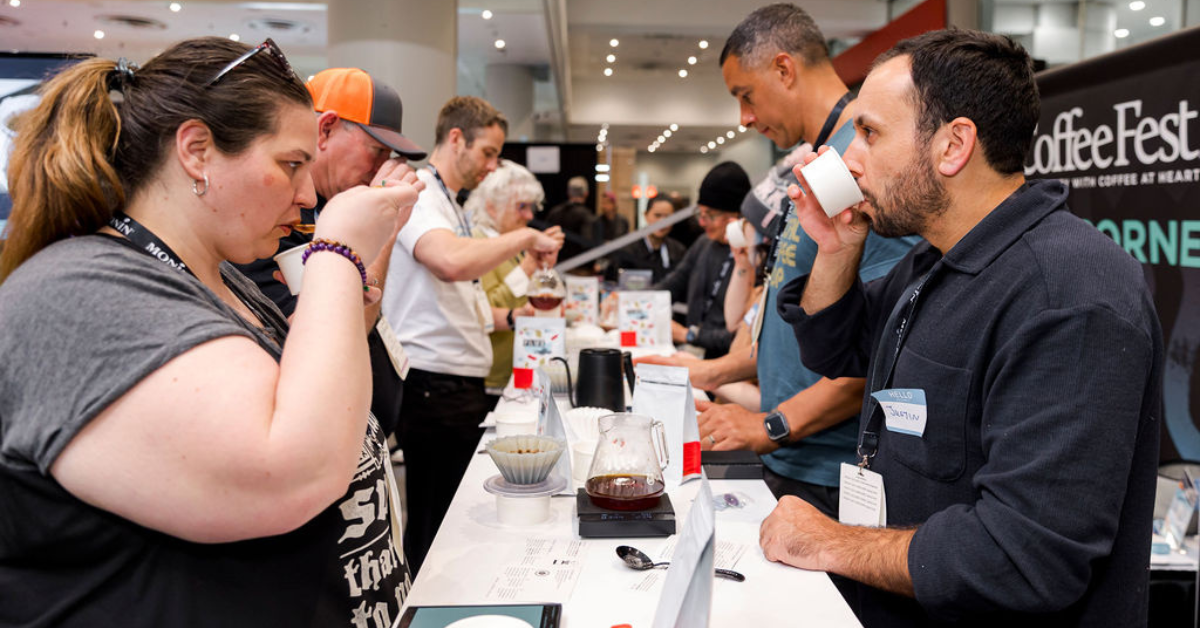
In the Coffee Fest workshop Flavor Alchemy: Coffee’s New Processing Revolution, we create space to explore this spectrum firsthand. Through guided tasting, participants experience how processing decisions can shape and transform flavor, offering insight into how producers can craft coffees that appeal to a wide range of markets and preferences.
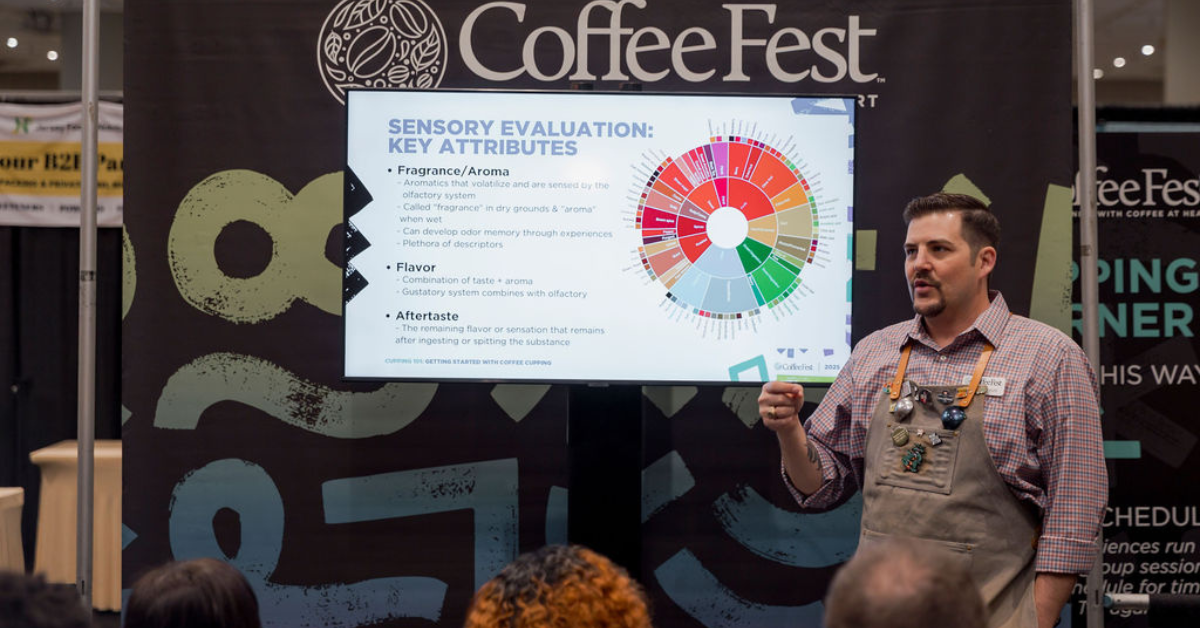
It is my hope that through the workshops in the Cupping Corner, you will not only deepen your knowledge and refine your sensory skills, but also develop a greater appreciation for the decisions, challenges, and creativity that shape coffee at origin. I invite you to join us as we taste, learn, and explore together - and as we continue to support and celebrate the producers at the heart of every cup.
Insider Bio

Timothy Heinze | TH Sourcing Solutions Tim is a coffee consultant and lead educator for Coffee Fest’s Cupping Corner. With a Master of Agriculture and over a decade of experience - from managing washing stations to leading QC for commercial roasters - Tim specializes in bridging the technical gap between origin processing and roastery production.
Ready to put these definitions to the test? Join Tim in the Cupping Corner at our next show for hands-on sessions like Flavor Alchemy: Coffee's New Processing Revolution and Washed, Naturals, Honey... Oh My! Navigating the Language of Coffee Processing.
)